Infectious disease control
LO: Define and give examples of reservoirs of infection, routes of acquiring infections and transmission pathways
Reservoirs and transmission pathways
- Reservoir - where disease agent normally lives/multiplies
- Transmission pathway - mechanism by which an infectious agent is spread from source to susceptible individual
Direct person to person spread
- Respiratory droplet spread: influenza, COVID-19
- Aerosol transmission (<5 micron): tuberculosis, COVID-19
- Faecal oral spread: dysentery
- Close contact: Meningococcal meningitis
- Sex: gonorrhoea
Indirect person to person spread
- Foodborne: staphylococcal food poisoning
- Waterborne: cryptosporidium
- Fomites: dysentery
- Needles: hepatitis B
- Vectorborne: malaria
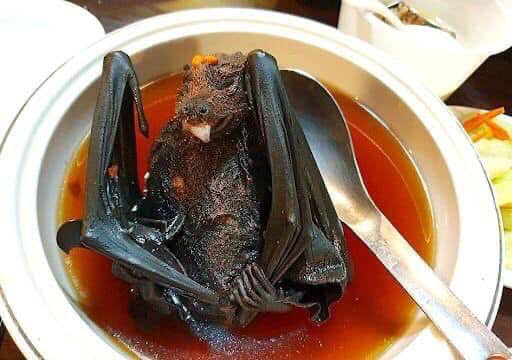
Animal to human transmission
- Livestock: food - salmonella, E. coli
- Domestic pets: Direct - campylobacter, faecal contamination - toxocariasis
- Wild animals: ticks - lyme disease
- Animal to human, human to human and human to animal
- Rarely person to person transmission - ebola
- One off followed by person to person - COVID
Environment to human
- Built environment: legionnaire's disease
- Natural environment: Estuary sundrome, naegleria encephalitis
- Cholera: environmental reservoir with person to person, foodborne and waterborne spread
- Campylobacter: Environment and animal reservoirs with animal to human adn human to animal spread
LO: Discuss the basic principles of communicable disease control
Preventing community acquired infection
- Reduce susceptible population: immunisation, passive or active
- Reduce infectious population: diagnose and treat infectious individuals
- Reduce person to person spread
- Prevent animal to human spread
- Prevent environmental transmission
- Disaster response