Anatomy concepts and terminology
Anatomical position
- Used as reference for positions on body - reduce ambiguity when identifying parts of the body, precision and accuracy
- Head forward, palms forward, feet pointing forward
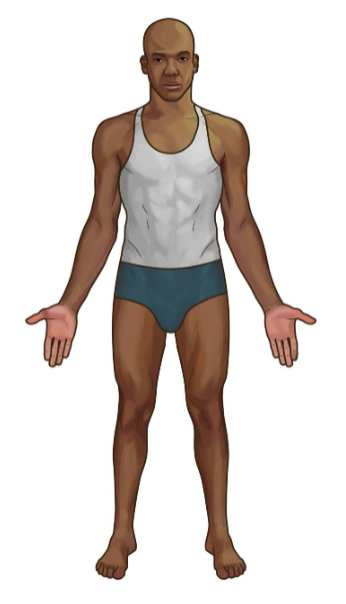
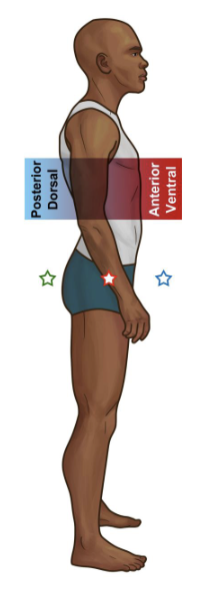
Anterior/posterior
- Anterior (ventral) - front
- Posterior (dorsal) - back
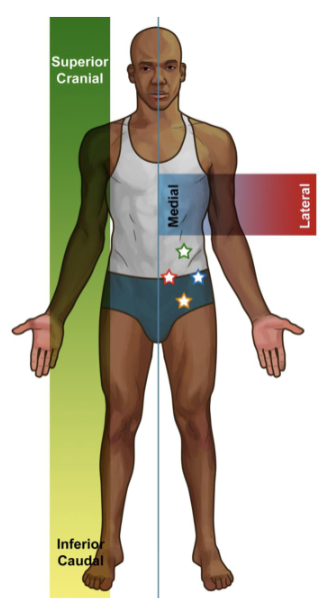
Superior/inferior and medial/lateral
- Superior (cranial) - top (closer to head)
- Inferior (caudal) - bottom (closer to feet)
- Medial - close to centre
- Lateral - close to ends
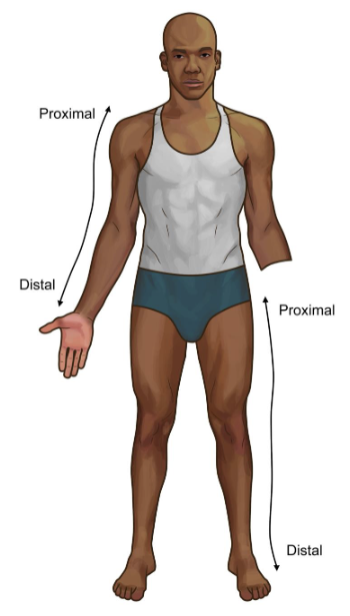
Proximal/distal
- Proximal - closer to torso
- Distal - further from torso
Superficial/deep
- Superficial - on top
- Deep - beneath
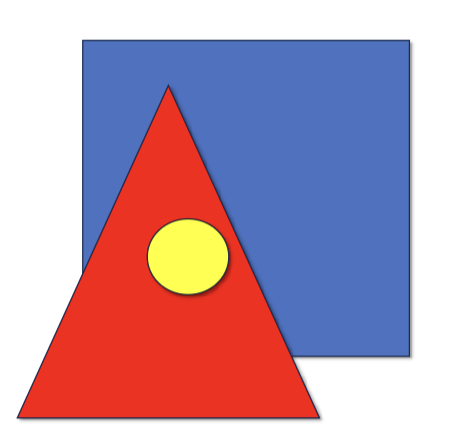
- Yellow circle is said to be superficial to both red triangle and blue square
- Red triangle is said to be deep to yellow circle and superficial to blue square
- Blue square is said to be deep to both red triangle and yellow circle
Anatomical planes
- Split body into XYZ planes
Sagittal
- XZ plane
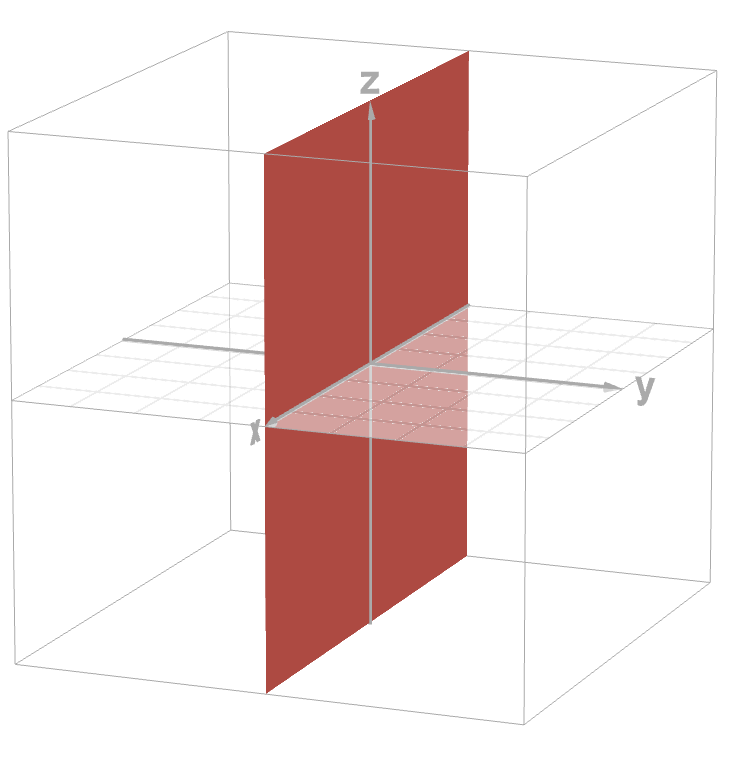
- Splits body into left and right halves
Transverse
- XY plane
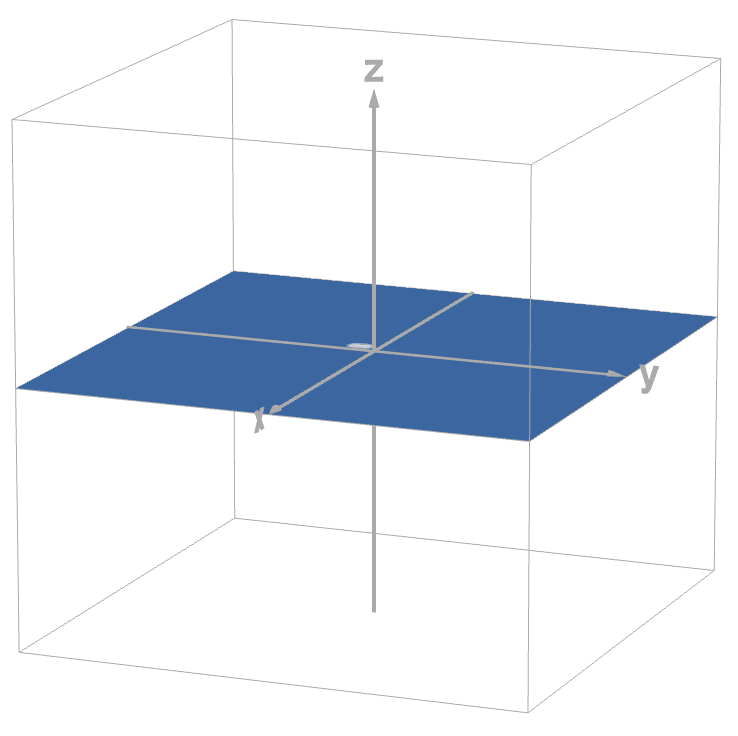
- Splits body into top and bottom halves
Coronal
- YZ plane
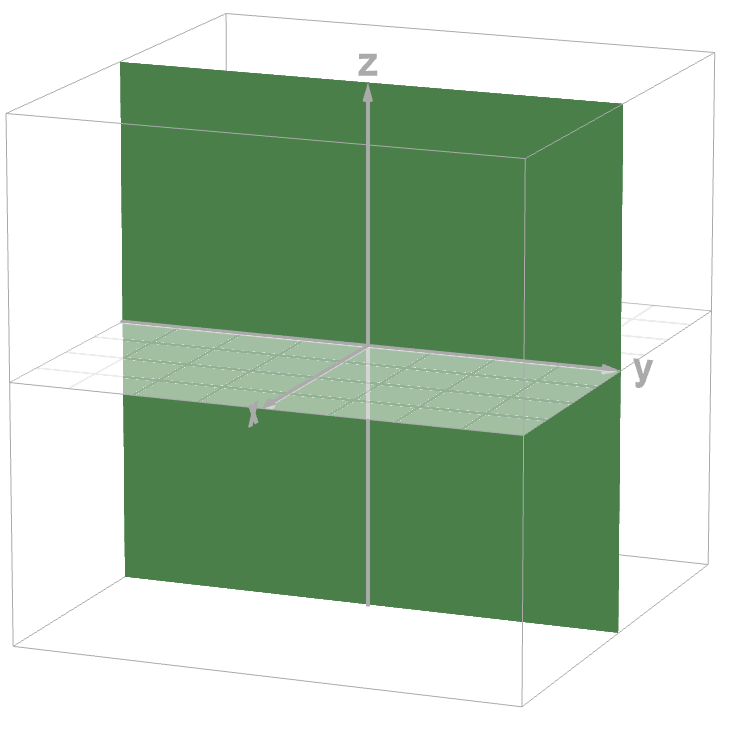
- Splits body into front and back halves
Tissue types
Bone
- Hard, living tissue
- Structure of skeleton
- Compact and spongy bone
Ligament
- Attach bone to bone
- Connect other structures
Tendon
- Connective tissue
- Muscle to bone
Muscle
- Movement - relax and contract
- Direction of fibres - striations due to sarcomeres
- Skeletal and smooth muscle
- Bring bones closer or further apart
Nerves
- Control everything in body
- CNS and PNS
- Somatic (conscious) and Autonomic (unconscious)
Arteries
- Take blood away from heart
- High pressures
- Thick walls - smooth muscle and elastic fibres
Veins
- Take blood IN (this excludes the coronary arteries that supply the heart with oxygen) to the heart
- Low pressures
- Thin walls - valves
Skeleton
- Foundation for body
- Support soft tissues
- Protect organs
- Aids movement
Axial
- Skull, ribcage and spine
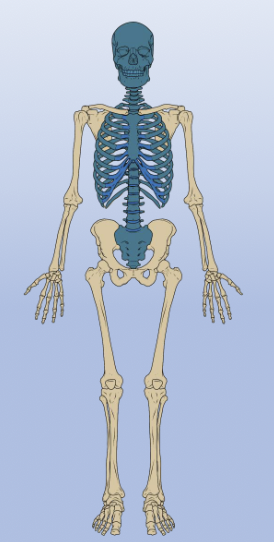
Appendicular
- Arms, legs and hip
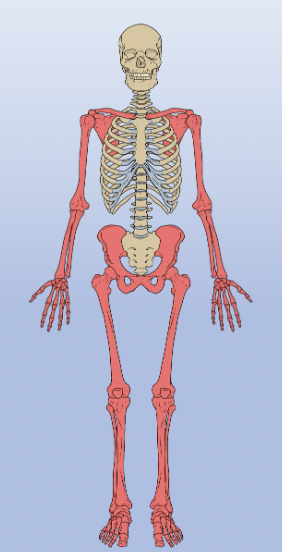
Bones
- Flat - protective function (cranium)
- Long - limb bones (femur and humerus)
- Short - cuboids (ankle and wrist)
- Irregular - others (pelvis and vertebrae)
- Sesamoid - in tendons (patella)
Landmarks
- Holes, spaces or depressions - fossa, notch, foramen
- Lumps and bumps - crest, tubercle, spine
Joints
- Variable degrees of movement
- Fibrous - not very mobile, fibrous connection
- Cartilaginous - strong and slightly mobile, fibrocartilage
- Synovial - most mobile, most common
Synovial joint
- Cartilage covers joint surfaces
- Surrounded by joint capsule
- Synovial fluid lubricates and nourishes
Types
| Joint | Movement |
|---|---|
| Hinge | Up/down xor left/right |
| Ball and socket | Up/down/left/right |
| Saddle | Up/down or left/right |
| Pivot | Clockwise/anticlockwise |
| Plane/gliding | Slide on plane |
| Ellipsoid | Up/down or left/right |
Muscle
- Must have at least 2 points of attachment
- Points of attachment must cross a joint
- How it crosses the joint determines the action
Somatic nervous system
- Voluntary control
- Afferent - take sensory signals away
- Efferent - send motor signals back
Movements of limbs
-
Flexion - Bend in (cannonball position)
-
Extension - Straighten/relax (CR7 position)
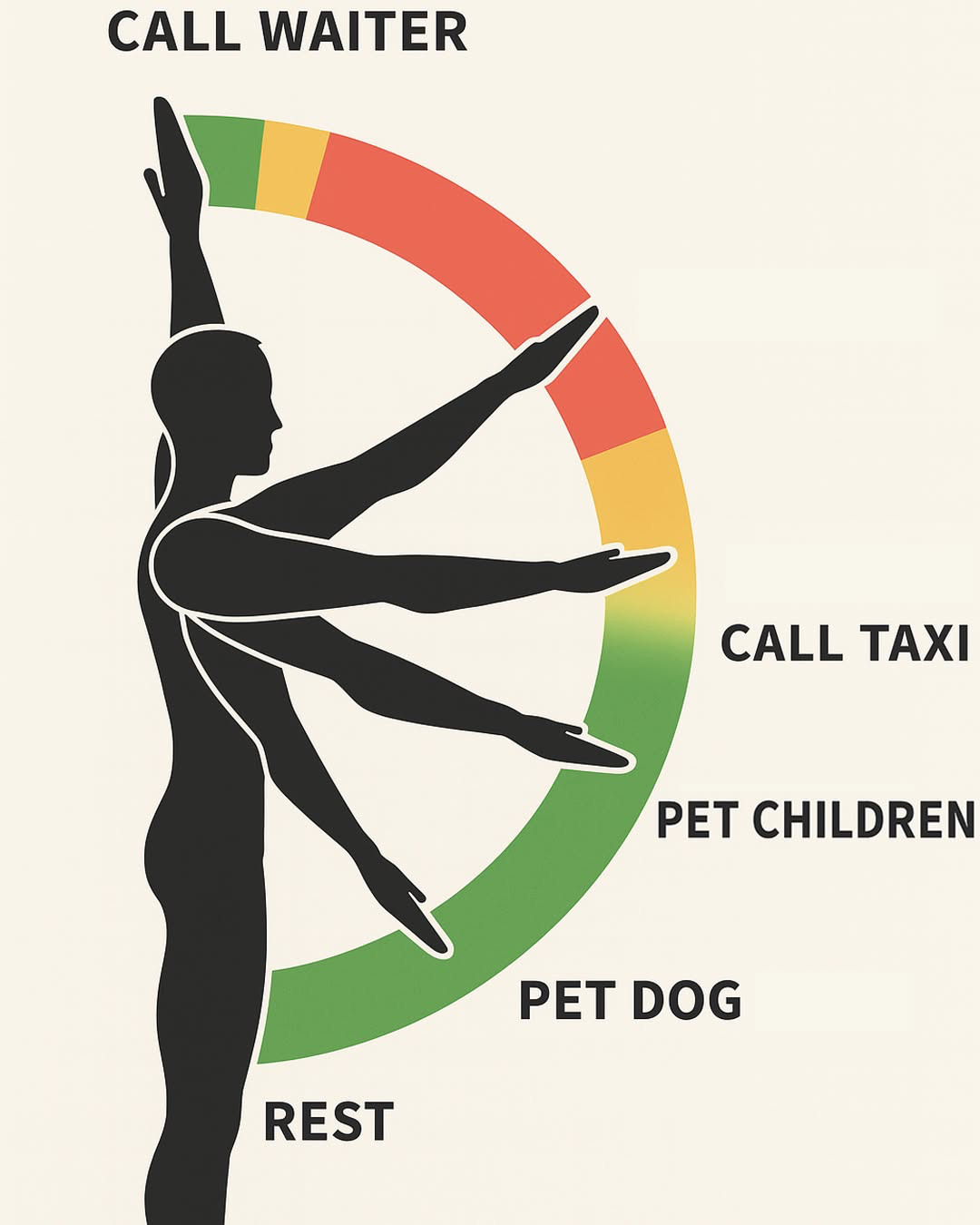
-
As arm moves up - flexion
-
As arm moves down - extension
-
Abduction - take away from midline
-
Adduction - take to midline (add)
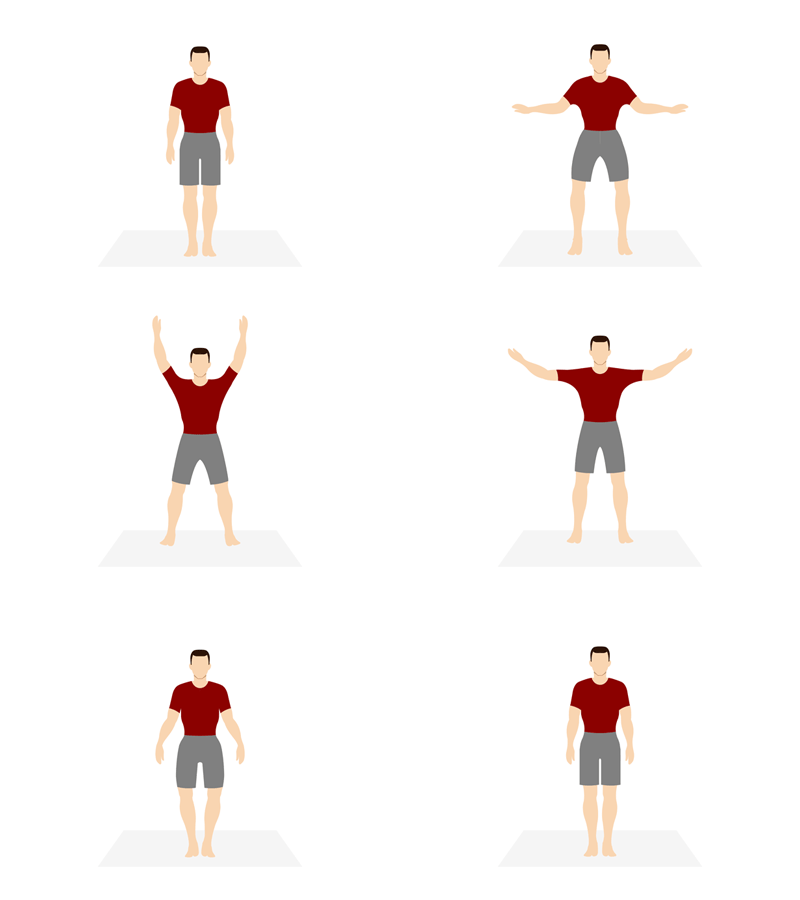
-
Arms out - abduction
-
Arms return to sides - adduction
-
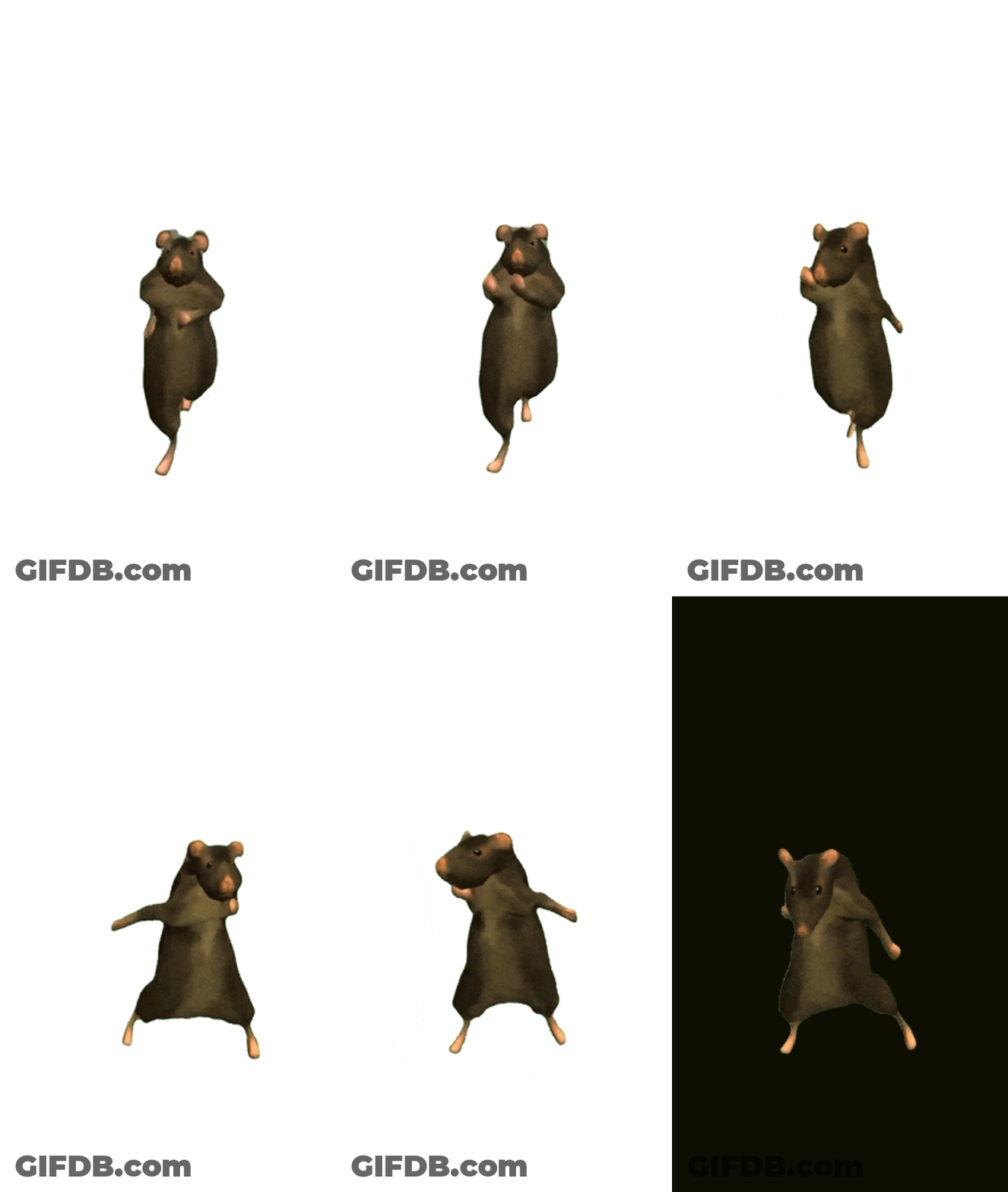
Medial - turn inwards
-
Lateral - turn outwards
-
When leg rotated inwards - medial
-
When leg rotated outwards - lateral
-
Pronation - palm downwards
-
Supination - palm upwards (supper, soup beg for food)

-
Palm up - supination
-
Palm rotate to face down - pronation
-
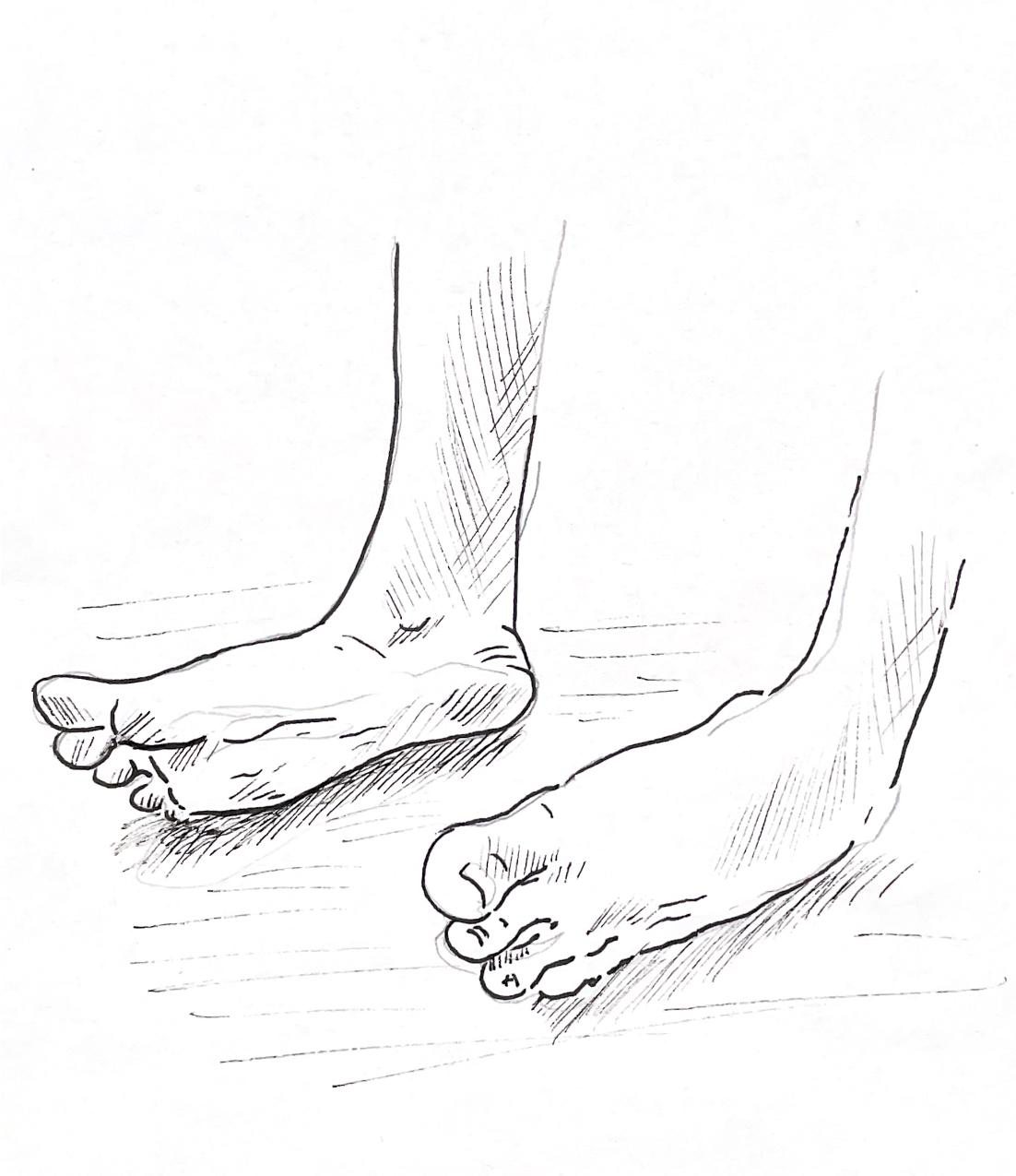
Inversion - footsies face each other
-
Eversion - footsies face away from each other
-
Foot on pinkies - Inversion
-
Foot on big toes - Eversion